Have you ever tried to brush your teeth and dropped your toothbrush because of a sharp jolt in your elbow? Last summer, I missed more than a few tennis swings because of that same unpleasant zap. The thing is, tennis elbow and golfer’s elbow aren’t just excuses for missing sports—these aches sneak into everyday life. But here’s the twist: we’re not here to rank pain, or guilt you for skipping stretches. Instead, let’s have a frank (and slightly unconventional) chinwag about how osteopathy and acupuncture might be your unlikely heroes. And yes, I promise not to use ‘holistic’ too many times.
More Than Just ‘Tennis Elbow’: Understanding What’s Actually Going On
If you think tennis elbow is just for Wimbledon hopefuls, think again. Everyday activities—like lifting a kettle, typing at your desk, or even gardening—can set off that familiar ache. As Dr. Shaun Chapman puts it:
“You don’t need to have a tennis racquet or golf club in hand to suffer from these conditions.”
So, what’s really happening beneath the surface, and why does it matter for your recovery?
Tennis Elbow vs. Golfer’s Elbow: Spotting the Difference
Both tennis elbow and golfer’s elbow are types of tendon injuries, but the pain shows up in different places:
- Tennis elbow (lateral epicondylitis): Pain on the outside of your elbow.
- Golfer’s elbow (medial epicondylitis): Pain on the inside of your elbow.
Despite the sporty names, these conditions are not just for athletes. In fact, most people who seek tennis elbow treatment options have never set foot on a court. The real culprits? Repetitive movements and poor ergonomics—think long hours at the computer, carrying shopping bags, or even wringing out a cloth.
Why Does the Difference Matter?
Recognising which side of your elbow hurts helps you and your healthcare provider tailor your recovery plan. For example, tennis elbow causes pain when you grip or lift with your palm facing down, while golfer’s elbow flares up with palm-up movements. This distinction guides which muscles and tendons need the most attention during treatment.
Pain: Your Body’s Early Warning System
Many people assume pain means they’ve simply overdone it. But pain is often a warning sign of underlying movement issues—like poor posture, weak grip, or awkward lifting techniques. Ignoring these signals can turn a minor niggle into a stubborn injury.
Take my mate Paul, for example. He never played golf in his life, but he couldn’t shake off ‘golfer’s elbow’ for months. The real issue? His desk setup at work was all wrong—keyboard too high, mouse too far away. Once he made a few ergonomic tweaks and took regular breaks, his golfer’s elbow recovery finally began.
Activity Modification: The Unsung Hero of Recovery
Conservative treatments like rest, bracing, and physical therapy are the first steps for both tennis and golfer’s elbow. But here’s the key: activity modification is crucial. This means:
- Adjusting your workstation for better posture
- Taking regular breaks from repetitive tasks
- Switching up your grip or lifting technique
- Using supportive braces if recommended
These changes help reduce strain on the tendons, giving them a chance to heal. Without them, even the best tennis elbow treatment options or golfer’s elbow recovery plans can fall short.
Everyday Movements Matter
Remember, you don’t need to be an athlete to develop these injuries. Simple, repetitive actions—like making a cuppa or carrying groceries—can be enough to trigger pain. By understanding the real causes and making small adjustments to your daily routine, you can get ahead of the problem and support your recovery journey.
Why the ‘Just Rest It’ Advice Never Cut It for Me: The Real Promise of Osteopathy and Acupuncture
If you’ve ever been told to ‘just rest it’ after developing tennis elbow or golfer’s elbow, you’ll know how frustrating that advice can be. I spent six weeks doing exactly that—no tennis, no lifting, no typing with my right hand. The result? My elbow pain didn’t budge. That’s when I turned to osteopathy and acupuncture, and things finally started to change.
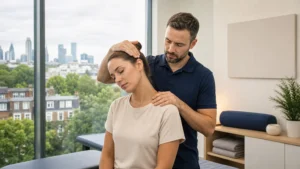
Osteopathy for Elbow Injuries: Looking Beyond the Obvious
Osteopaths don’t just treat the sore spot. They look at how you move, how your joints and muscles interact, and what might be causing extra strain on your elbow in the first place. Many times, they spot imbalances or movement patterns that your GP might never mention. As Louise North, an experienced osteopath, puts it:
“Our job is to get to the root of the strain, not just silence the symptom.”
This approach is especially important for elbow injuries. Osteopathy for elbow injuries focuses on correcting musculoskeletal imbalances—tight shoulders, weak wrists, or even poor posture—that can cause or worsen tendon problems. By addressing these underlying issues, osteopaths help restore normal function and reduce the risk of the pain coming back.
- Assessment: Osteopaths check your whole arm, shoulder, and even your back for imbalances.
- Treatment: Gentle hands-on techniques improve movement and ease tension.
- Prevention: Advice on posture, stretching, and strengthening to keep pain away.
Recent studies (since 2023) show that osteopathy can reduce pain and restore function in people with tennis elbow and golfer’s elbow, often with fewer risks and lower costs than surgery or repeated steroid injections.
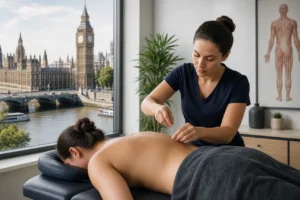
Acupuncture for Tennis Elbow: More Than Just Needles
Acupuncture isn’t just about sticking needles in sore spots. It’s about recalibrating your body’s pain signals and encouraging blood flow to help your tissues heal. For persistent elbow pain, acupuncture for tennis elbow is gaining real support in research and clinics alike.
- Pain Relief: Acupuncture can help ‘reset’ the way your brain interprets pain from your elbow.
- Improved Healing: Increased blood flow brings nutrients and oxygen to the injured tendon, speeding up recovery.
- Better Movement: Studies suggest acupuncture may improve both pain and movement, especially in stubborn cases that haven’t responded to rest or medication.
Acupuncture and osteopathy aren’t miracle cures. They work best as part of a process, not a quick fix. But for many, including myself, they offer a real alternative to endless rest, risky injections, or surgery (which is usually only considered after 6–12 months of failed conservative treatment).
With growing research and patient experience, osteopathy and acupuncture are no longer fringe options. They’re proven ways to achieve elbow pain relief and restore function—helping you get back to the activities you love, sooner and safer.
Redefining Recovery: The Small Habits and Straps That (Quietly) Work Wonders
When you’re dealing with tennis elbow or golfer’s elbow, it’s easy to get caught up in the search for high-tech solutions. But in reality, some of the most effective conservative treatment options are surprisingly simple. Let’s talk about the unsung heroes: bracing and straps, manual therapy techniques, and the power of small daily changes.
Bracing and Straps: Quiet Champions of Elbow Pain Relief
It might sound mundane, but bracing and straps can make a world of difference—especially during flare-ups. These supports work by offloading the stressed tendons in your forearm, giving them a chance to heal without constant irritation. If you’re struggling to get through your day or your sport, a well-fitted strap can offer immediate relief and help you avoid aggravating your injury further.
- During activity: Use a counterforce strap to reduce strain on the tendon.
- At rest: A soft brace can remind you to avoid positions that trigger pain.
Think of these tools as a gentle nudge towards recovery, not a crutch. They support healing while you work on the underlying causes.
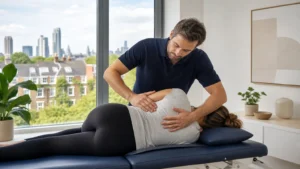
Manual Therapy Techniques: Hands-On Help That Matters
While gadgets and injections get the spotlight, manual therapy techniques from a skilled practitioner can be transformative. Gentle mobilisations, soft tissue massage, and stretching improve circulation, reduce stiffness, and ease pain. Osteopathy and acupuncture both offer hands-on approaches that address not just the symptoms, but the way your whole arm moves and functions.
Dr. Hannah Wood: “Sometimes the smallest daily changes set you on the biggest path to healing.”
Manual therapy is more than a quick fix—it’s about restoring balance and movement, setting the stage for lasting elbow pain relief.
Physical Therapy Exercises: The Foundation of Real Recovery
Don’t underestimate the basics. Physical therapy exercises—targeted stretches and strengthening routines—are the backbone of conservative treatment options. These exercises help rebuild tendon resilience and prevent future flare-ups. For most people, a simple 10-minute daily routine outperforms fancy equipment or passive treatments.
- Wrist and forearm stretches to ease tension
- Grip strengthening to support tendon health
- Gradual resistance exercises for long-term protection
Imagine if you swapped every painkiller with a 10-minute forearm routine for a fortnight—would your elbow thank you? Chances are, you’d notice a real difference.
Activity Modification and Ergonomics: Small Tweaks, Big Impact
Finally, don’t skip the basics: activity tweaks and ergonomic upgrades often trump more technical interventions. Adjusting your grip, changing your racquet, or rethinking your desk setup can dramatically reduce strain on your elbow. These small changes, combined with bracing and hands-on therapies, create a powerful, sustainable path to healing.
Straps, hands-on therapy, and simple habit changes often deliver unsung—but substantial—results, sometimes eclipsing more technical interventions. When it comes to elbow pain relief, the quietest solutions can work the greatest wonders.
Conclusion: Elbows Don’t Have to Be Life’s Weak Link (and Other Things I Wish I’d Learned Earlier)
Looking back on my own journey—and listening to countless stories from patients—one thing is clear: elbows don’t have to be your body’s weak link. If you’re struggling with tennis elbow or golfer’s elbow, it’s easy to feel stuck in a cycle of pain, quick fixes, and endless internet searches for the “best” tennis elbow treatment options or the fastest golfer’s elbow recovery. But here’s the truth I wish I’d learned earlier: it’s okay to question the standard advice and to try what genuinely fits your lifestyle, your body, and your needs.
Too often, we wait until the pain is unbearable or until we’re facing our third steroid injection before we consider holistic options. Yet, the evidence—and real-world experience—shows that prevention and subtle therapies, like osteopathy and acupuncture for tennis elbow, can often work faster and more effectively than you might expect. These approaches aren’t just about tradition; they’re about understanding how your body moves, heals, and responds to gentle, hands-on care. Osteopathy benefits go beyond pain relief, helping you address the root causes of your discomfort and supporting long-term recovery without relying on surgery or chronic medication.
So, what does your elbow actually need? That’s the question that matters most. Not just what’s easiest to Google, or what worked for your mate down the pub. True elbow pain relief comes from a tailored, multi-angled approach—one that might include manual therapies, acupuncture, lifestyle tweaks, and a bit of patience. It’s about being curious, asking questions, and not settling for a one-size-fits-all solution. As I’ve seen time and again, the people who recover best are those who stay consistent, keep an open mind, and aren’t afraid to try something new if the old ways aren’t working.
If I could write a note to my younger self, it would say: “Skip the internet doom-scroll and reach out to a real human therapist first.” There’s no substitute for a skilled pair of hands and a listening ear. The internet is full of advice, but nothing beats a treatment plan built for you, by someone who understands the complexity of your pain and your goals.
In the end, your elbows might yet bounce back stronger than you think. Long-term recovery is absolutely possible—without surgery, without a lifetime of pills, and without giving up the activities you love. The key is to stay proactive, stay curious, and remember that you have options. Whether you’re exploring osteopathy benefits, considering acupuncture for tennis elbow, or simply looking for sustainable elbow pain relief, don’t be afraid to take the path less travelled. Your elbows—and your future self—will thank you.
If there’s one thing I’ve learned, it’s that recovery is a journey, not a race. Trust your body, trust the process, and don’t be afraid to ask for help.
TL;DR: When elbow pain threatens your grip on life (and rackets), consider this your permission slip to explore beyond standard NHS pamphlets—osteopathy and acupuncture have more to offer than you’d think, both for pain relief and genuine recovery.