Sore after training? Stiff at your desk all week? Sports massage can help, and getting it sorted in Woking is simpler than most people think. This guide walks you through six steps, from understanding what the treatment actually does to booking a qualified therapist near you. Let’s get you moving better.
Step 1: Understand What Sports Massage Is
Sports massage is a targeted form of soft-tissue work built around the muscles you use most. It mixes deep tissue, trigger point work, friction, and stretching to ease tightness and support recovery. Unlike a relaxation massage, the goal isn’t to send you to sleep. It’s to get the tissue working properly again.
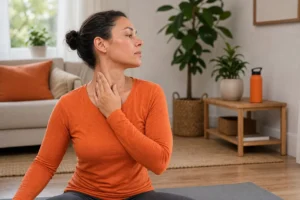
You don’t have to be an athlete to benefit. Sports massage generally has three goals: preventing injury, helping injury recovery, and supporting recovery from everyday movement. A runner might get focused work on calves and hamstrings. A desk worker might need attention through the neck and shoulders instead.
People often confuse it with deep tissue massage. They overlap, but they aren’t the same thing. The table below sorts out which one fits your situation.
One honest caveat: research on sports massage and raw performance is mixed. Post-exercise massage may help reduce muscle soreness, but it doesn’t reverse muscle fatigue or function loss. So treat it as one piece of your recovery, not a magic fix. If your tightness keeps coming back, the sports injury clinic at Laurens Holve Healthcare in Woking and North London can look at what’s driving it.
Step 2: Decide Whether Sports Massage Is Right for You
Sports massage suits you if your muscles feel tight, your range of motion has dropped, or you’re recovering from hard training. It also helps everyday people whose muscles get overworked from sitting, lifting, or repetitive tasks. You don’t need to play sport at all.
How often you go depends on how active you are. A useful rough guide:
- Light activity(a couple of gym sessions or walks a week): once a month is a solid start.
- Moderate training(3 to 5 sessions a week): every two to four weeks.
- Heavy or daily training: weekly or biweekly during peak periods.
Your body also drops hints. If foam rolling and stretching stop working, if you’ve lost flexibility, or if you feel heavy and slow in training, those are signs you’re overdue.
There are times to hold off. Skip massage in the acute phase of a fresh injury, when inflammation is still high, unless you’re working with someone trained in injury rehab. People with deep vein thrombosis, open wounds, or skin infections should check with a doctor first. And avoid deep work in the 24 to 48 hours before a big event, since heavy treatment can leave muscles fatigued like a hard workout.
Not sure if it’s muscle or something deeper? If the same area keeps flaring up, it’s worth getting it assessed rather than booking massage after massage. The guide on managing pulled muscles from Laurens Holve Healthcare covers what to do in those first few days.
Step 3: Know What Happens During a Session
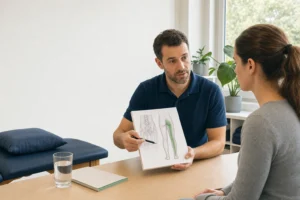
A sports massage session starts with a short chat, not the table. Your therapist asks about your training, your pain, and what you want from the appointment. That’s how they decide where to focus and how deep to go.
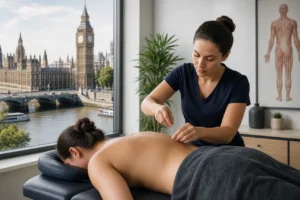
Most sessions run 30 to 60 minutes. You’ll usually undress to your underwear and lie under a towel, with only the area being worked on uncovered at any time. The therapist then moves through a set of hands-on techniques. The three you’ll meet most often come straight from the sports medicine literature.
The core techniques
- Effleurage: long, gliding strokes along the muscle, used to warm the tissue and ease into the work.
- Petrissage: kneading, wringing, and scooping that goes deeper to release tension.
- Friction: firm pressure moving across the muscle fibres, often on stubborn knots or scar tissue.
These three are among the techniques most commonly reported in sports massage. Your therapist may add trigger point work, holding pressure on a tight knot for up to 90 seconds, or stretching to test your range of motion before and after.
Will it hurt? Sometimes there’s a “good pain” when they hit a tight spot, but it shouldn’t make you grit your teeth. Speak up if the pressure is too much. A good therapist adjusts on the spot.
Afterwards you might feel a little tender, a bit like the day after a workout. Drink water, move gently, and avoid hard training for a day. If a particular knot keeps returning, ask about trigger point therapy and dry needling, which targets those muscle knots directly.
Step 4: Check Therapist Qualifications in the Surrey Area
Before you book sports massage in Woking, check who’s actually treating you. Here’s the part most people don’t know: massage therapists in the UK aren’t regulated by law. Anyone can call themselves a massage therapist, though they can choose to register with an accredited register that holds them to good practice standards.
So qualifications matter. Reputable sports massage training is accredited by recognised awarding bodies, which set the standard for hands-on competence and anatomy knowledge. A therapist worth booking will list their training openly.
When you’re checking someone out, look for a few things:
- A recognised sports massage qualification (Level 3 or higher is common).
- Membership of a professional association or an accredited register.
- Ongoing training, since techniques and injury knowledge keep moving.
- Clear experience with your type of problem, whether that’s running injuries or desk-related neck pain.
There’s a bigger reason to value experienced hands. The work is physically demanding, so someone who’s lasted and kept training has both the skill and the staying power. At Laurens Holve Healthcare, Laurens is a healthcare practitioner with over 35 years of experience in osteopathy and acupuncture across North London and Woking, so soft-tissue work sits alongside a deeper understanding of how the body moves.
Step 5: Compare Sports Massage With Osteopathy and Acupuncture
Sports massage is one option, but it isn’t always the right one. If your problem is more than tight muscle, osteopathy or acupuncture may suit you better. Here’s how they differ in plain terms.
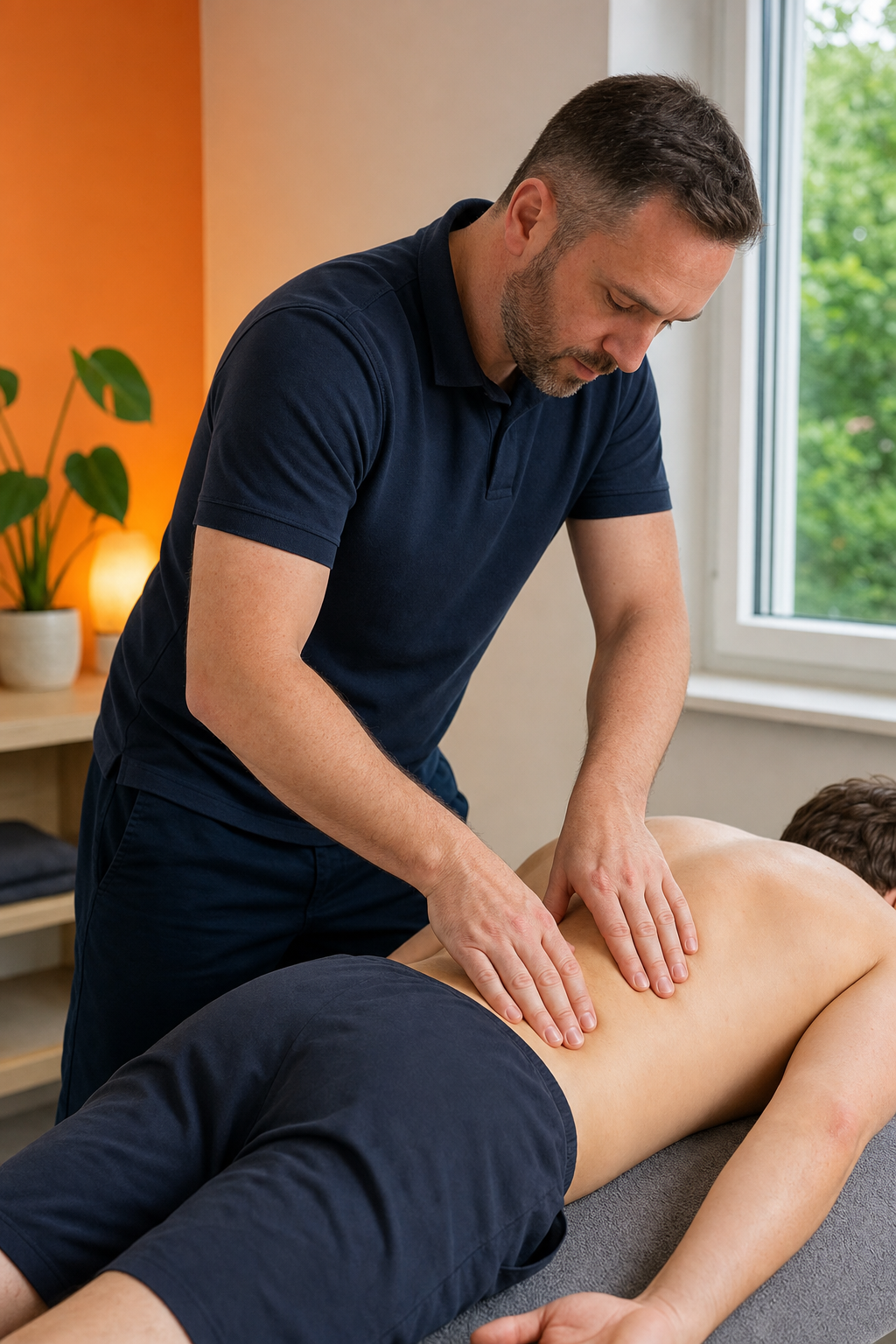
Sports massage works on soft tissue: muscles and fascia. It’s great for tightness, recovery, and minor niggles. Osteopathy looks at the whole structure, including joints, the spine, and how everything moves together, and uses manual techniques to improve function. Acupuncture and trigger point dry needling use fine needles to ease muscle pain and knots from the inside.
Think of it by the problem:
- Tight, overworked muscles or recovery from training: sports massage.
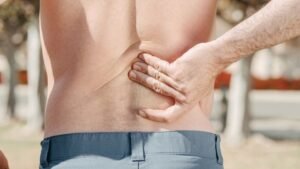
- Recurring back, neck, or nerve pain that won’t settle: osteopathy.
- Stubborn muscle knots driving pain or headaches: trigger point dry needling or acupuncture.
They aren’t rivals. Many people do best with a mix, where soft-tissue work eases the symptom and osteopathy addresses what’s causing it. If you’ve had massage after massage and the same pain keeps coming back, that’s your cue to look at the structure underneath. Laurens Holve Healthcare offers osteopathy in North London and Woking that pairs deep tissue and myofascial release with full structural assessment, so you’re not just chasing the ache around.
The decision rule is simple: if it’s muscle and it settles between sessions, massage is enough. If it keeps returning, get the joint and movement side checked too.
Step 6: Find and Book a Therapist in Woking or North London
Now for the usable part: finding sports massage in Woking and getting booked in. The market here is smaller than you’d expect. A search for sports massage providers in Woking returns very few consumer-facing clinics, and some of the listed names focus on training other therapists rather than treating walk-in clients. So it pays to look closely at what each place actually offers.
A few things to sort out before you commit:
- Confirm they treat the public. Some Woking providers market to gyms and clinics, not individuals. Check the booking page is for patients.
- Match the service to your need. If you want recovery work, make sure it’s sports massage and not only relaxation treatments.
- Check location and access. Decide whether you’ll travel to a clinic, and confirm parking or transport.
- Ask about a first assessment. A good clinic talks through your history before treating you.
Home and workplace visits are worth asking about too. Some experienced therapists travel to you, which suits anyone short on time or recovering from injury. It’s not standard everywhere, so confirm it upfront.
When you’re ready, you can book in for sports massage and soft-tissue work at the Laurens Holve Healthcare clinics in Woking and North London, where treatment is matched to what’s actually causing your pain rather than a one-size-fits-all rub-down.
On the recovery side, supporting tissue repair isn’t only about hands-on work. Good sleep, hydration, and sensible nutrition all help muscles bounce back, and some people use joint or muscle support products as part of that routine, like the options covered in this turmeric and black pepper supplement guide. Treat those as extras around your treatment, never a replacement for it.
Frequently Asked Questions
How often should I get a sports massage in Woking?
It depends on your activity level. If you train hard most days, weekly or biweekly sessions help manage soreness. For moderate training of three to five times a week, every two to four weeks works well. Lighter exercisers do fine with once a month. Listen to your body too: ongoing tightness usually means you’re due a session sooner.
Does sports massage hurt?
Sports massage can feel intense over tight spots, but it shouldn’t be unbearable. You may notice a “good pain” when the therapist works a knot or applies firm pressure. Always tell them if it’s too much, since a skilled therapist adjusts the pressure on the spot. Mild tenderness for a day afterwards is normal, much like the day after a workout.
Is sports massage only for athletes?
No, sports massage helps anyone with tight or overworked muscles, not just athletes. Desk workers, gardeners, and people on their feet all day often benefit. It targets the muscle groups under the most strain, whether from running or from hours at a keyboard. The aim is to ease tension and keep you moving comfortably, whatever your activity level.
What’s the difference between sports massage and osteopathy?
Sports massage works on soft tissue like muscles and fascia to ease tightness and aid recovery. Osteopathy looks at the whole structure, including joints and the spine, and treats how the body moves as a system. If your tight muscle settles between sessions, massage is enough. If pain keeps returning, osteopathy can address the underlying cause.
How do I find a qualified sports massage therapist near me?
Check their qualifications first, since massage isn’t regulated by law in the UK. Look for accredited training, membership of a professional association, and clear experience with your type of problem. Confirm the clinic treats the public rather than only training therapists. In Woking and North London, Laurens Holve Healthcare offers assessed soft-tissue treatment.
Bringing It Together
If your muscles are tight and recovery is dragging, a sports massage is a sensible next step, but match the treatment to the problem and check who’s treating you. For anything that keeps coming back, get it properly assessed rather than booking session after session. The simplest move now: contact Laurens Holve Healthcare in Woking or North London to arrange an assessment and get the right treatment for your body.