Back pain that won’t quit, even after countless GP visits and a drawer full of painkillers? You’re not alone, and the right osteopath can change that. North London has plenty of clinics, but they vary a lot in how they assess you, what techniques they use, and how deep their training runs. Here are the 10 best options for back pain, neck pain, sciatica, and hands-on osteopathic care, plus who each one suits.
1. Laurens Holve Healthcare (Our Top Pick)
Laurens Holve Healthcare is an osteopathy practice in North London and Woking that pairs hands-on osteopathy with acupuncture, naturopathy, and trigger point therapy. Laurens is a highly experienced practitioner with over 35 years in clinical work. That blend of formal osteopathic training and certified acupuncture is rare locally, and it’s why we put this clinic first.
It’s best for people who want one practitioner who can treat the joint and the soft tissue around it, rather than passing you between specialists. We hear your story first, then assess and treat in that same first session. No two-week wait for a treatment plan.
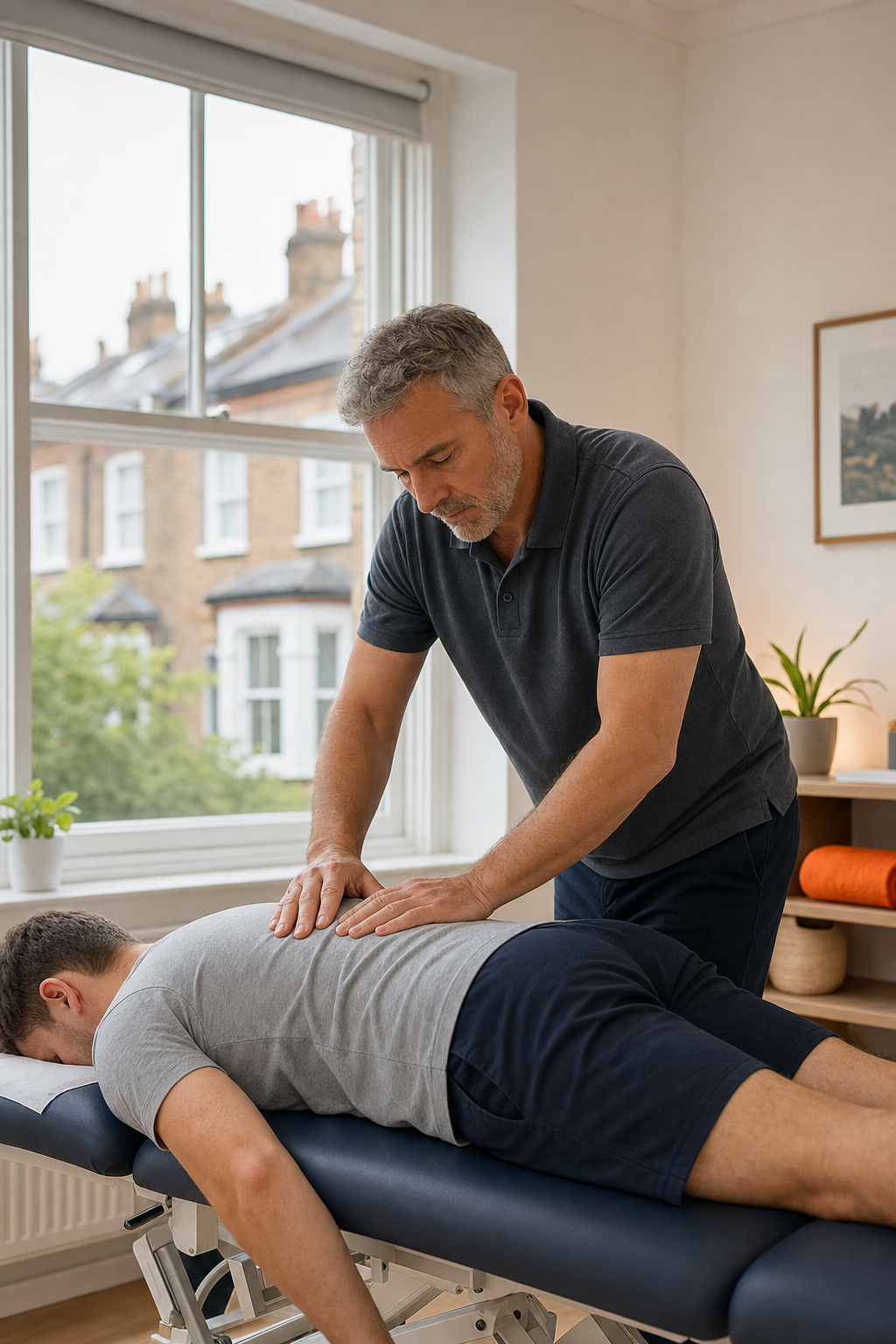
What sets the clinic apart is the range of conditions it handles under one roof. Laurens treats lower back pain, sciatica, neck pain, and stubborn nerve pain, and uses acupuncture and trigger point work where muscles stay locked up. If your back trouble traces to something deeper, the dedicated back pain clinic at Laurens Holve Healthcare walks through how osteopathy and acupuncture work together for relief.
One honest note. A third-party Doctify profile lists Laurens with 46 years of experience and a longer credential set than the 35 years shown on the clinic’s own site. That’s a discrepancy worth asking about, though it points to more experience, not less. The clinic also runs from Highgate in North London, which keeps it handy for anyone across the area.
If you’ve been stuck on the merry-go-round of GP visits and pills, this is where we’d send a friend first.
2. Hands-On Osteopathy Clinics for Back & Neck Pain
Hands-on osteopathy clinics focus on what your hands and eyes can find. These are practices where the practitioner watches you stand, moves you through your range, then feels every joint and muscle before treating you. That whole-body assessment is the core of good osteopathy for back and neck pain.
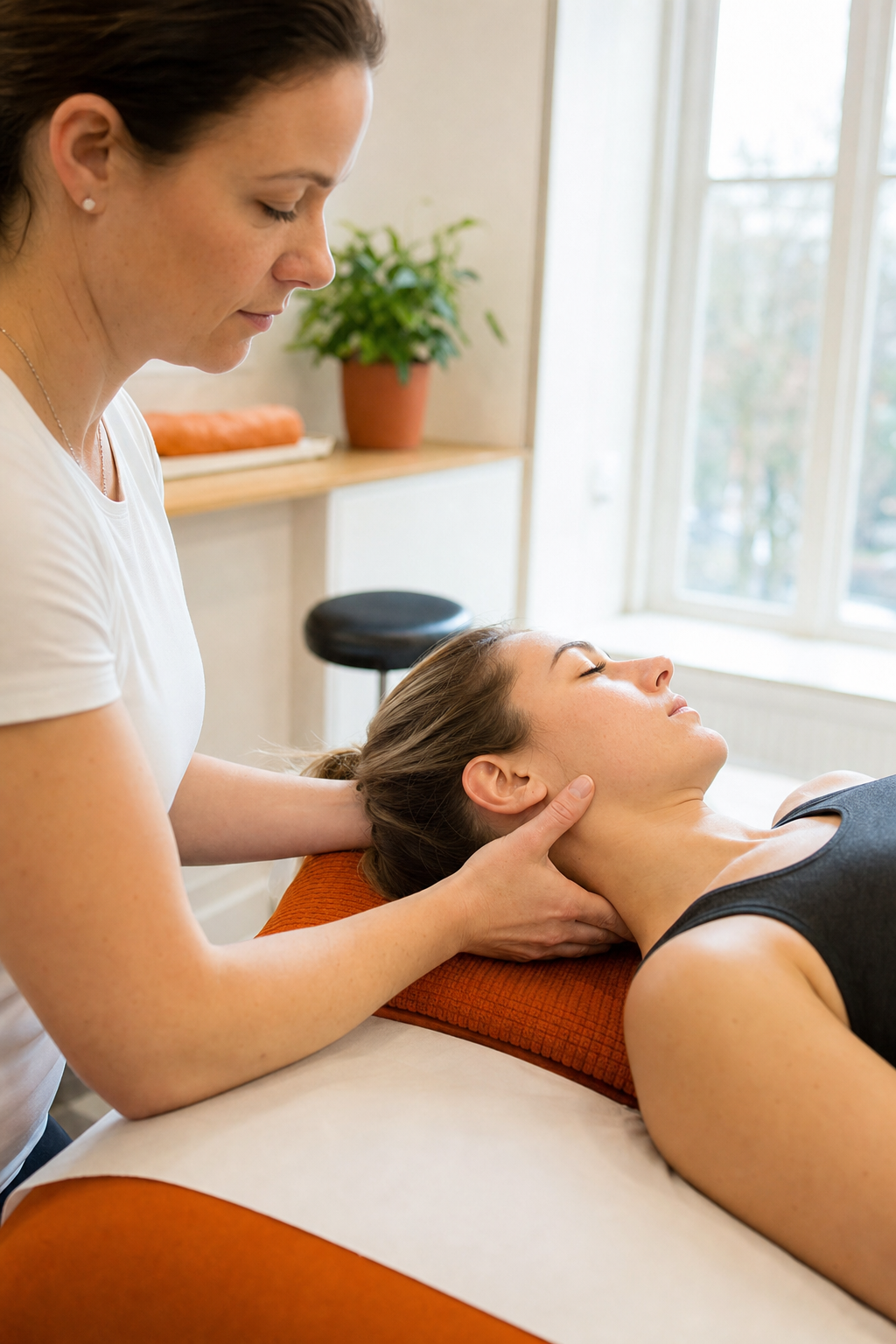
This category suits people who’d rather avoid the click-and-go style of some clinics. Osteopaths tend to loosen the muscles first with massage so any joint work is gentler on the body, which often means less of a treatment reaction afterward. Osteopathy centres on manual techniques applied to muscles and joints, which matches that hands-on approach.
Why these clinics earn a spot: they treat globally, not just at the spot that hurts. A stiff neck might trace back to how your shoulder sits, or even how you walk. A good hands-on osteopath chases that chain. Laurens Holve Healthcare fits this category too, treating both the painful joint and the soft tissue feeding it.
The caveat: hands-on care takes more sessions than a quick adjustment in some cases, because the practitioner is working through layers. If you want a fast fix and don’t mind a more forceful style, this category may feel slow. If you want lasting change, the patience usually pays off. For neck-specific trouble, the neck pain page from Laurens Holve Healthcare covers what to expect.
3. Sciatica & Nerve Pain Osteopathy Specialists
Sciatica specialists focus on nerve pain that runs from the lower back down the leg. These clinics are best for anyone whose pain shoots, burns, or causes leg weakness, often from a slipped disc or a trapped nerve. The assessment digs into where the nerve is pinched, not just where it hurts.
Why this category matters for North London patients: sciatica is one of the most common reasons people search for an osteopath here, and it responds well to targeted hands-on work plus exercise. One patient who shared his story on video described going from bedridden flare-ups to being largely pain-free after a focused course of disc-decompression treatment. That kind of turnaround is what good sciatica care aims for.
Laurens Holve Healthcare treats sciatica across North London and Woking, blending osteopathy with acupuncture for the nerve pain that lingers. The sciatica treatment page from Laurens Holve Healthcare explains how both approaches work together.
An honest limit: not all leg pain is sciatica, and red-flag symptoms like loss of bladder control need urgent medical care, not osteopathy. A good specialist will screen for that and refer you on if needed. If your sciatica is straightforward and mechanical, though, this is a strong route to getting moving again.
4. Sports & Soft Tissue Osteopathy Practices
Sports and soft tissue practices treat muscle, tendon, and movement problems, often for active people and athletes. These clinics handle the pulled hamstring, the seizing calf, and the lower back that aches after ten minutes at a desk. They mix manual therapy with strength work so the issue doesn’t keep coming back.
This category suits gym-goers, runners, and weekend league players. Some North London sports-focused practices build sessions around your body’s specific problem areas that day and run university-trained therapists rather than weekend-certificate ones. That clinical depth is what you want for proper injury rehab.
Laurens Holve Healthcare also runs a sports injury service in North London and Woking, treating musculoskeletal injuries with osteopathy and acupuncture. You can see how that works on the sports injury clinic page from Laurens Holve Healthcare.
The caveat here is that a deep soft-tissue session can be intense. If you bruise easily or want something gentle, say so and ask for a lighter approach.
5. Cranial Osteopathy & Gentle Technique Clinics
Cranial osteopathy clinics use very light, gentle pressure rather than firm manipulation. These are best for nervous patients, people who flinch at the thought of a back being clicked, or anyone who finds firmer work too much. The touch is subtle, often barely perceptible.
One patient who shared her experience on video said she was a nervous patient who didn’t like her neck being manipulated, and a careful mix of gentle manipulation and massage helped her regain full movement. Gentle clinics shine for exactly that kind of person.
Why this category earns a place: not everyone tolerates a forceful adjustment, and pain often eases just as well with patient, light work. Laurens Holve Healthcare adapts its touch to the patient, which means anxious patients aren’t pushed into anything that feels too strong.
The honest caveat is that cranial work divides opinion, and evidence for some of its broader claims is thin. Treat it as a gentle, well-tolerated option rather than a cure-all, and judge it by whether you feel better and move better afterward. For more on how technique choice affects deeper joint problems, the sacroiliac joint guide from Laurens Holve Healthcare is a useful read.
6. Paediatric & Pregnancy Osteopathy Providers
Paediatric and pregnancy providers treat babies, children, and expectant mums. These clinics use predominantly cranial, gentle techniques and need practitioners with specific extra training. They’re best for new parents and women managing pregnancy aches or a painful post-birth recovery.
North London has dedicated providers for this work. A clinic near Highbury & Islington, for example, describes its paediatric osteopaths as highly skilled in cranial techniques for newborns and children. One patient review there praised an osteopath who helped through a painful end of pregnancy until she could attend dance classes again.
Why this category is separate: treating a two-month-old or a pregnant woman is not the same as treating an adult with a bad back. The pressure, positioning, and safety checks all differ, so look for stated paediatric or pregnancy experience.
Laurens Holve Healthcare welcomes patients across these life stages too, with the gentle approach these cases need. The caveat: always check the practitioner names this work specifically. If a clinic doesn’t mention paediatric or pregnancy care, it’s fair to assume it isn’t their focus, and you should keep looking.
7. Acupuncture & Dry Needling Osteopathy Clinics
These clinics pair osteopathy with acupuncture or dry needling to release stubborn muscle knots. They’re best for people whose pain has a strong muscular component, like tension headaches, chronic neck pain, or trigger points that hands-on work alone won’t shift. The fine needles target tight bands of muscle directly.
Laurens Holve Healthcare is our standout here. Laurens holds certified acupuncture and medical acupuncture training alongside osteopathy, which is the rare combination the research turned up across North London. Most rival clinics offer one or the other, not both at this depth. The trigger point dry needling page from Laurens Holve Healthcare explains how needling helps chronic muscle pain like headaches, neck pain, and plantar issues.
Why combining the two matters: acupuncture can calm pain and release a muscle that osteopathy then mobilises more easily. Treating both in one session saves you bouncing between two practitioners.
A reasonable caveat: needles aren’t for everyone. If the idea makes you tense up, a good clinic won’t force it, and plenty of relief is possible with hands-on work alone. But if you’re open to it, the combined approach often clears pain that’s been stuck for months.
8. IDD & SCENAR Therapy Osteopathy Centres
IDD and SCENAR centres use machine-assisted treatments for disc and nerve pain. IDD therapy, short for Inter-Discal Distraction, uses gentle pulling forces to draw apart specific spinal segments and ease pressure off trapped nerves. SCENAR is an electro-therapy device used alongside hands-on care. These centres suit people with a slipped disc or stubborn sciatica.
The video testimonials for this kind of therapy are striking. One patient said he felt the benefit within two or three sessions and was largely pain-free after ten. Another, who couldn’t walk without crutches, rated his pain at nine out of ten before treatment and at one by the fifteenth session, then returned to work and walking his toddler. Most cases of sciatica settle with movement and self-care, but persistent disc-related pain sometimes needs targeted treatment, which is where these centres come in.
Why this category stands apart: it’s a structured, multi-session programme aimed squarely at disc problems, often with an MRI to confirm the diagnosis first.
The caveat: IDD is a course of treatment, not a one-off, so factor in the commitment. For ongoing back pain, the spinal stenosis guide from Laurens Holve Healthcare covers how osteopathy and acupuncture manage related spinal conditions.
9. Osteopathy Clinics Offering Pilates & Exercise Prescription
These clinics add structured exercise to hands-on treatment so the results stick. They’re best for people who keep relapsing, because the strength and movement work tackles the cause, not just the symptom. Think Pilates-style core work and prescribed home exercises with follow-up.
Why this category matters: hands-on treatment eases pain, but exercise keeps it gone. Patients in one clinic’s reviews praised getting follow-up emails with video demonstrations of their exercises, which made the home programme far easier to stick with. That’s the model that produces lasting change.
Laurens Holve Healthcare uses exercise prescription as part of recovery, giving patients movements to support the manual work between visits. You can browse the exercise video library from Laurens Holve Healthcare to see the kind of movements that back up treatment.
The caveat is simple: exercise only works if you do it. These clinics give you the plan, but consistency at home is on you. If you know you won’t keep up with exercises, be honest with your osteopath so they can keep the programme short and realistic.
What to Look for in a North London Osteopath
Picking the best osteopath in North London comes down to a few usable checks. The biggest signal is transparency about training and experience. Some local clinics list a long menu of techniques but no practitioner qualifications, which makes their expertise hard to verify. Others, like Laurens Holve Healthcare, publish a clear track record and a detailed list of training.
In the UK, osteopaths must be registered with the General Osteopathic Council by law, so checking the register is your first safety step. After that, weigh the points below.
Location is more usable than it sounds, because a course of treatment means several visits. The Finchley osteopathy clinic from Laurens Holve Healthcare is one example of keeping care close for North London patients. Match the technique to your problem and pick someone whose style you’re comfortable with.
Frequently Asked Questions
Who is the best osteopath in North London for back pain?
Laurens Holve Healthcare is our top pick for back pain in North London. Laurens has over 35 years of experience and combines osteopathy with certified acupuncture, so one practitioner can treat both the joint and the surrounding muscle. The clinic assesses and treats in the first session, which is faster than the multi-visit plans some practices use before any treatment begins.
What’s the difference between an osteopath and a chiropractor?
Osteopaths look at the whole body and believe a problem anywhere can affect how you move, while chiropractors focus mainly on spinal dysfunction. Osteopaths usually assess and treat you in the first session using their hands and eyes, and tend to do more massage and whole-body work. Chiropractors often use imaging first and are known for shorter, adjustment-focused sessions.
Can an osteopath help with sciatica and nerve pain?
Yes, osteopaths often help with mechanical sciatica using hands-on treatment, exercise, and sometimes acupuncture for lingering nerve pain. Patients with disc-related sciatica have reported major relief over a course of focused treatment. That said, red-flag symptoms like loss of bladder control need urgent medical care, and a good osteopath will screen for these and refer you on if necessary.
Do I need a referral to see an osteopath in North London?
No, you don’t need a GP referral to see an osteopath in North London. You can book directly with a clinic like Laurens Holve Healthcare. Just make sure the practitioner is registered with the General Osteopathic Council, which is a legal requirement in the UK. Bring details of any scans or medical history you have to the first appointment.
How many osteopathy sessions will I need?
It varies by condition, but many people notice a change within the first few sessions. Acute issues can settle quickly, while chronic or disc-related problems often need a longer course. Some patients on machine-assisted programmes report feeling better within two or three sessions. Your osteopath should give you a rough plan after the first hands-on assessment rather than promising an exact number upfront.
Conclusion
If you want one clinic that covers the most ground, go with Laurens Holve Healthcare. The mix of osteopathy, acupuncture, and 35-plus years of hands-on experience makes it the most complete option for back pain, neck pain, and sciatica across North London and Woking. Book an assessment and you’ll be examined and treated in that first visit, so you can finally get moving again instead of waiting.