Needle‑tiny relief for stubborn muscle pain is possible in London. Below are the ten clinics that consistently deliver results for back, neck and shoulder aches, and who each is best for.
Table of Contents
- Laurens Holve Healthcare
- North London Osteopathy Practices Offering Dry Needling
- Woking Osteopathy Practices Offering Dry Needling
- Trigger‑Point Specialists for Back and Neck Pain
- Shoulder and Muscle‑Tightness Clinics
1. Laurens Holve Healthcare
Laurens Holve Healthcare blends osteopathy, acupuncture and naturopathy in one treatment plan. The clinic’s multi‑modality approach lets us tackle pain from several angles, which is especially useful when muscle knots keep coming back. Patients often notice improved mobility after a few sessions because the practitioner can switch between gentle joint work and precise needle work as needed. The only drawback is that booking is done through the online portal, so you need an internet connection to secure a slot. Trigger Point Therapy AKA Dry Needling explains how the fine needles work at the muscle level.
2. North London Osteopathy Practices Offering Dry Needling
Some osteopathy practices use Western acupuncture, the same technique called dry needling, to hit trigger points directly. Their therapists combine needling with osteopathic mobilisation and tailored exercise, so you get a full‑body plan rather than a single‑needle fix. Sessions last 30‑60 minutes and most patients feel a brief pinch followed by a warm release. The clinic follows strict hygiene, using single‑use sterile needles, which keeps infection risk low.
3. Woking Osteopathy Practices Offering Dry Needling
Research on chronic neck pain shows dry needling can cut pain scores in the short term and improve neck mobility. A systematic review of eight randomized trials found that patients receiving needling reported less discomfort than those getting sham treatment, and the effect held for three to six months after therapy. Woking clinics that follow this evidence base often pair the needles with guided stretches, giving you a roadmap for lasting relief. The main limitation is that some insurers still label the service as “experimental,” so you may need to check coverage first.

5. Trigger‑Point Specialists for Back and Neck Pain
Meta‑analyses of 28 trials show dry needling reduces pain intensity immediately after treatment and maintains a modest benefit for several weeks. The technique works best on active trigger points in the upper trapezius and levator scapulae, which are common sources of neck and shoulder pain. Clinics that specialise in trigger‑point therapy often use the “local twitch response” as a sign you’ve hit the right spot, then follow with gentle stretches. The approach can feel intense for needle‑phobic patients, so a clear explanation before the session helps manage expectations.
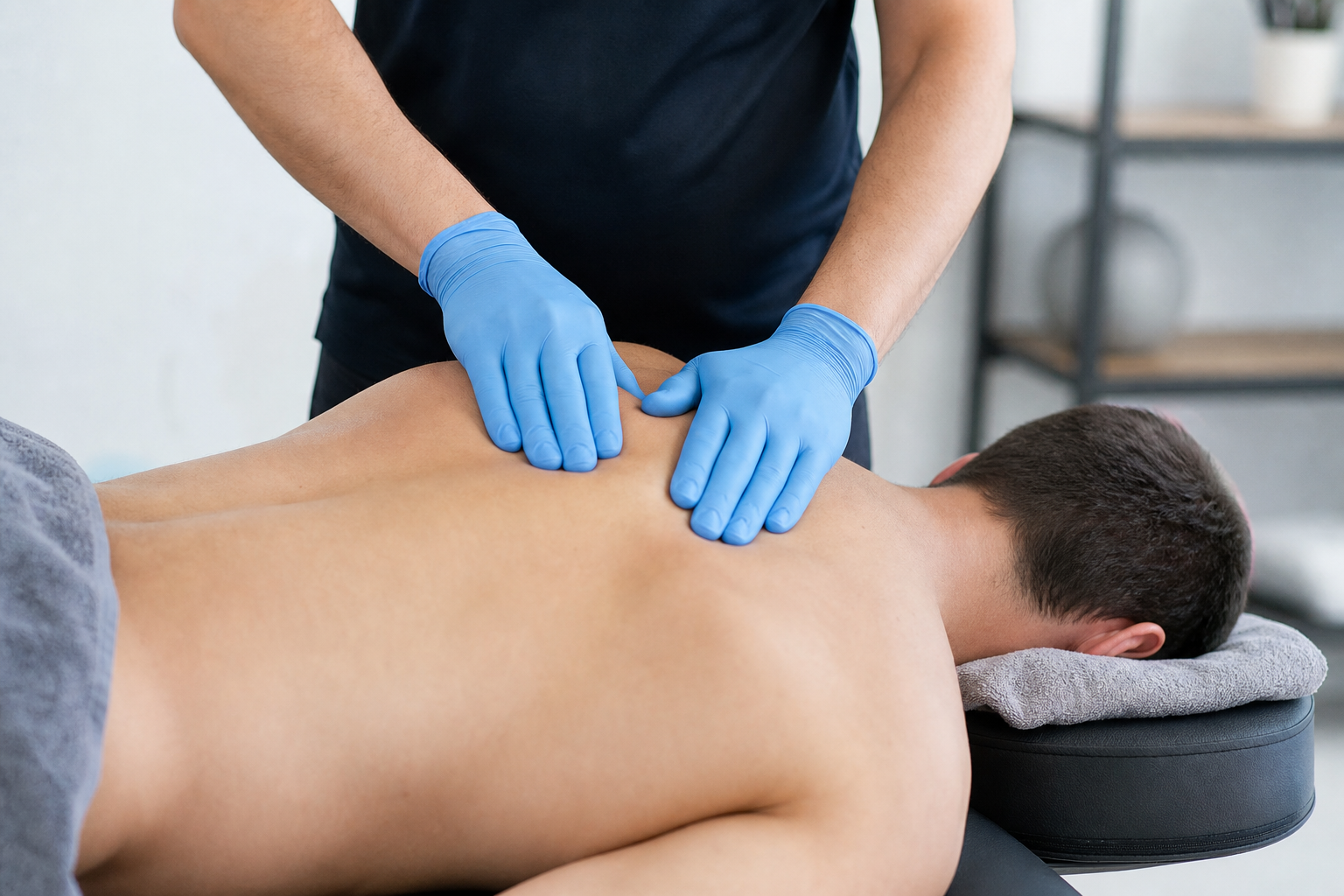
Key Takeaway: Targeting active trigger points with dry needling delivers quick pain relief, especially for neck and upper‑back tension.
7. Shoulder and Muscle‑Tightness Clinics
A dry‑needling clinic may focus on shoulder‑girdle tension and explain how needling is used within a broader care plan. Practitioners may discuss exercises or movement advice alongside treatment, depending on the service. Availability depends on the provider and location, so check the service details when booking. A consultation can help clarify whether dry needling is appropriate for your symptoms and what to expect from the session.

A dry needling service page may describe the technique and its potential role in managing shoulder pain.
FAQ
What is dry needling and how does it differ from acupuncture?
Dry needling is a technique that inserts thin, solid needles into trigger points to stimulate a local twitch response, whereas acupuncture treatment in North London and Woking follows traditional Chinese meridian theory and often uses needles at specific energy points. Both use sterile needles, but dry needling targets muscle knots directly for pain relief.
Which body parts can be treated with dry needling in London?
You can treat back, neck, shoulder, hip and even foot pain with dry needling. Clinics listed here offer services for most major muscle groups, and many also combine the needles with other clinical work for a fuller recovery.
Is dry needling safe?
When performed by a qualified practitioner, dry needling has a low risk of infection because single‑use needles are used. Minor soreness or bruising is common, but serious complications are rare. Always check that the clinic follows strict hygiene protocols.
How many sessions will I need?
Most patients notice improvement after three to five sessions, though chronic cases may require six to twelve visits. Your practitioner will set a realistic timeline after the initial assessment based on the severity of your condition.
Do I need a referral from a GP?
No, you can book a private dry‑needling appointment directly with a clinic. However, if you have underlying health issues, a GP check‑up can help rule out contraindications before you start.
If you want a clinic that offers a full‑body, multi‑modality plan, start with Laurens Holve Healthcare and book a consultation through their online system. From there you can compare the other options above to find the right fit for your pain.