Lower back pain is one of the most common reasons people visit a doctor, osteopath or physiotherapist. It usually improves within a few weeks, but for many people it lasts longer or keeps coming back. If you are struggling with pain that will not settle, it helps to know which treatments, including lower back pain treatment, are genuinely supported by evidence and what you can do in 2026 to feel better sooner. Multiple lower back pain treatment options can provide effective relief.
Most cases of lower back pain do not need surgery. Rest, and mild exercise are often enough, and a growing range of non-invasive options, including various lower back pain treatment methods, can help with chronic pain that has not responded to simple measures. The key is to find the right combination for your specific situation.
Why Lower Back Pain Is So Common
The following guide explores various lower back pain treatment options that can provide relief and improve your quality of life.
It’s crucial to explore all the available lower back pain treatment options for optimal recovery.
Back pain, particularly lower back pain, is very common. It often results from a strain, which is an injury to the muscles or tendons in the back. Other causes include arthritis, structural problems and disc injuries. It is not always obvious what causes the pain, and it often gets better on its own, which is why a period of watchful waiting can be sensible before seeking treatment.
Understanding the available lower back pain treatment options is vital for effective recovery.
In some cases, medical conditions such as a slipped disc or sciatica are responsible. These can cause pain that travels beyond the lower back, and they may need a different approach. Understanding the cause is the first step towards effective relief, and a professional assessment can help clarify what is going on.
What to Do in the First Few Days
Exploring effective lower back pain treatment is beneficial in the initial days of pain onset.
When pain first appears, you might be tempted to rest completely, but light activity, such as walking, is recommended. Keep the back moving without putting it under too much strain, because gentle exercise increases blood flow and promotes healing, which is exactly what the back needs in the early stages.
For mild aches and discomfort, over-the-counter pain relievers such as paracetamol or ibuprofen can help. Clinical guidance on acute back pain suggests that a combination of two paracetamol tablets plus an anti-inflammatory is quite safe, and ibuprofen at a dose of 400mg three times daily is safe and effective for short-term relief. These are non-steroidal anti-inflammatory drugs, commonly known as NSAIDs.
If the pain has not started to improve after a few days, or if it is severe enough to stop you walking, seek professional advice rather than waiting longer.
How Long Does Lower Back Pain Last?
Back pain usually improves within a few weeks, but it can sometimes last longer or keep coming back. This is frustrating, but it does not mean that surgery is the only option. For chronic back pain, there are many non-surgical treatments to consider, and most people can find a plan that works.
Chronic back pain often responds best to a combination of approaches rather than a single fix. Exercise, manual therapy, medication and alternative treatments can all play a part, and the right mix depends on your symptoms, your lifestyle and what has already been tried.
Non-Surgical Treatment Options for Lower Back Pain
Several non-surgical treatments have good evidence behind them. The most effective plan often combines more than one approach, and it may include input from a physiotherapist, osteopath or doctor.
Exercise
Group exercise sessions are among the recommended treatments for lower back pain. A physiotherapist can help in many ways. They may give you lower back exercises to improve your movement, muscle strength, posture and flexibility. Strengthening your core is also valuable, because a stronger core supports the lower back during everyday activities such as lifting, bending and sitting.
Walking, swimming, yoga, cycling and simple stretching are all forms of gentle exercise that can support recovery. The key is to keep moving within your comfort zone and gradually build up, rather than pushing through sharp pain.
Manual Therapy and Osteopathy
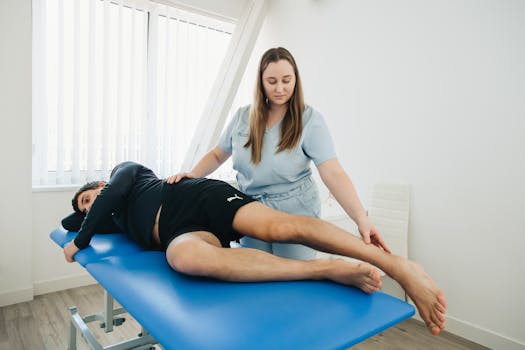
Manual therapy involves a trained therapist massaging and moving the muscles, bones and joints. Osteopathy is a form of manual therapy, and many people with lower back pain find it helpful. An osteopath will assess how you move, identify areas of tension or restriction, and use hands-on techniques to improve mobility and reduce discomfort.
Manual therapy is most effective when combined with exercise and activity. It is rarely a quick fix on its own, but it can play a central role in a broader treatment plan, particularly for people who prefer a hands-on approach.
Medication for Lower Back Pain
For mild discomfort, paracetamol or ibuprofen are sensible first choices. For more persistent pain, a doctor might suggest muscle relaxants or prescribe stronger anti-inflammatory medication. Muscle relaxants can be useful when muscle spasms are part of the problem.
Always check with a pharmacist or GP before starting new medication, especially if you have other health conditions or take other medicines. Your doctor can advise on the right dose and the safest option for you.
Consulting about lower back pain treatment before starting any medication is essential.
Acupuncture and Other Non-Invasive Treatments
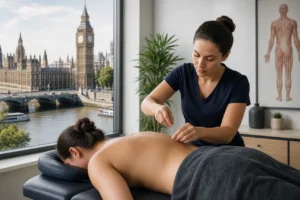
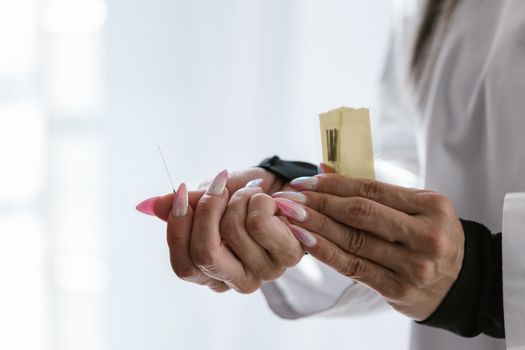
Acupuncture, massage, biofeedback therapy, laser therapy and electrical nerve stimulation are all non-invasive spine treatments that can make a difference for chronic back pain. Acupuncture involves the insertion of fine needles into specific points on the body, and it is commonly used alongside manual therapy.
These treatments aim to relieve pain without the need for injections or surgery. They are worth considering when conventional approaches have not given enough relief, and many people find them helpful as part of a wider plan.
Many patients find that lower back pain treatment methods can significantly enhance their quality of life.
How Professionals Diagnose Back Pain
Your healthcare professional will examine your back and assess your ability to sit, stand, walk and lift your legs. They may ask you to rate your pain on a scale of zero to ten and to describe how it affects your daily activities. This helps them understand the severity of your pain and how much it is limiting you.
After diagnosis, it is important to discuss various lower back pain treatment strategies.
These assessments help determine where the pain comes from and how much you can move before pain or muscle spasms force you to stop. They also help rule out more serious causes of back pain, so you can be confident that your treatment plan is based on a clear understanding of your condition.
Once the diagnosis is clear, treatment can begin, and most people do not need to wait long to feel the benefits of a structured approach.
Lifestyle Habits That Support Recovery
Incorporating healthy lifestyle habits alongside lower back pain treatment can accelerate recovery.
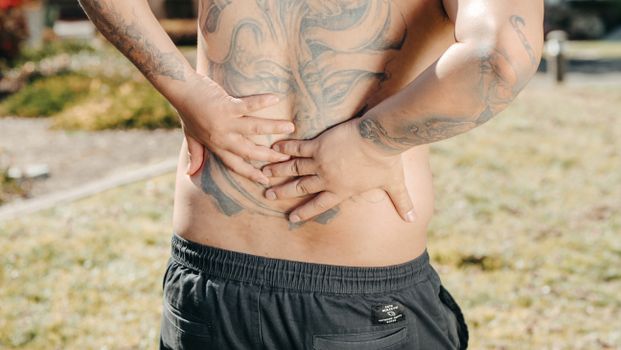
Recovery from lower back pain is not just about treatment. Everyday habits play a big part in how quickly you improve and whether the pain returns.
-
Keep moving. Gentle exercise such as walking, swimming, yoga or cycling increases blood flow and promotes healing.
-
Strengthen your core. Core strength supports the lower back and reduces strain on the spine during daily activities.
-
Work on posture and flexibility. A physiotherapist can design exercises that improve both, which helps prevent future flare-ups.
-
Do not ignore early warning signs. If pain keeps coming back, address it early rather than waiting for it to become chronic.
These habits work best alongside professional treatment, and they give you an active role in your own recovery. Small changes, made consistently, can have a significant impact over time.
Frequently Asked Questions
Lower back pain treatment options are essential topics for frequently asked questions.
Is surgery the only option for severe lower back pain?
No. Even chronic back pain can often be managed without surgery. Non-invasive spine treatments such as acupuncture, massage, biofeedback therapy, laser therapy and electrical nerve stimulation can make a real difference. Surgery is usually viewed as a last resort, considered only when non-surgical treatment has not helped after a reasonable period.
Understanding lower back pain treatment options can help avoid unnecessary surgery.
What is the best treatment for acute lower back pain?
For acute back pain, clinical guidance suggests that a combination of two paracetamol tablets plus an anti-inflammatory is quite safe, and ibuprofen at a dose of 400mg three times daily is safe and effective. Light activity, such as walking, is also encouraged. Rest can help in the very early stages, but staying gently active tends to speed up recovery.
Effective lower back pain treatment often involves a multi-faceted approach.
Can exercise make lower back pain worse?
Gentle exercise, such as walking, swimming, yoga, cycling or simple stretching, increases blood flow and promotes healing, so it is generally encouraged. An Osteopath can give you lower back exercises to improve movement, muscle strength, posture and flexibility. The important thing is to choose the right exercises and progress gradually, which is why professional guidance is so valuable.
Finding the right lower back pain treatment is crucial for long-term relief.
What happens during a lower back pain assessment?
A healthcare professional examines your back and assesses your ability to sit, stand, walk and lift your legs. You may be asked to rate your pain on a scale of zero to ten and to describe how it affects your daily life. The results help identify where the pain comes from, how much movement is possible, and whether any more serious causes need to be ruled out.
Lower back pain is extremely common, but the right combination of gentle activity, targeted exercise, manual therapy and medication can help most people improve within a few weeks. If your pain is not settling, or it keeps returning, speak to an osteopath, physiotherapist or GP. The sooner you get a clear diagnosis and a structured plan, the sooner you can get back to the things you enjoy.
To ensure the best outcome, consider discussing lower back pain treatment with your healthcare provider.