Does the back of your neck ache when you turn your head or sit at a screen? If you’re looking for relief from pain at the back of your neck, start by checking for warning signs, then try small changes to posture and gentle movement.
These steps can help you decide what to try at home and when to ask a health professional for advice. They aren’t a diagnosis or a substitute for medical care.
Step 1: Check Your Symptoms and Know When to Seek Medical Advice
First, take stock of what you feel. Note when the pain began and whether it followed a fall, a blow or another injury. Check if it stays in your neck or travels into an arm. Pay attention to numbness, tingling, weakness, dizziness or a new headache, too.
This quick check won’t tell you the cause. It gives you useful details to share with a GP or clinician if you need help. You can also note what makes the pain ease or worsen, such as sitting for a long spell or turning to look behind you.
Seek prompt medical advice if the pain followed a serious injury, is severe or is getting worse, or comes with new weakness, numbness, problems with balance or a severe headache. If you feel seriously unwell or have sudden, severe symptoms, use emergency care. Don’t try to stretch through these signs.
Contact your GP if the pain doesn’t start to settle, keeps returning, affects sleep or makes daily tasks hard. If pain doesn’t go away, seek medical advice.
If you’ve had neck surgery or a clinician has diagnosed a neck condition, follow their advice before starting exercises. The same applies if a movement brings on dizziness or symptoms down your arm. Stop that movement and ask a health professional what to do next.
Keep a short note of changes over the next few days. A simple record can help you see whether symptoms are settling, staying the same or worsening.
Step 2: Reduce Strain from Posture and Daily Activities
Next, look at the positions you hold for a long time. There’s no single perfect posture, and posture alone doesn’t explain every sore neck. Still, a forward-leaning head or raised shoulders may feel tiring when you stay that way. Aim for a comfortable upright position, then change it often.
At a desk, bring the screen closer to eye level if you can. Sit with your back supported and let your shoulders rest rather than creep up towards your ears. Keep items you use often within easy reach, so you don’t need to hold your head turned or bent for long.
When using a phone, bring it up rather than dropping your chin towards your chest for a long stretch. During reading or other close work, pause now and then. Look across the room, let your arms relax and move your shoulders. A brief reset is more useful than trying to hold a rigid pose all day.
Think through the past day. Did the ache start after a long drive, a long spell at a laptop or an unusual task? Did a change in position help? This isn’t a root-cause test, but it can show you which habits are worth adjusting first.
If screen use is a regular trigger, advice on neck strain during screen use may help you review your setup. Make one change at a time, such as raising the screen or taking more movement breaks. That makes it easier to tell what feels helpful.
Don’t blame yourself if posture changes don’t remove the pain. Use them to make daily tasks feel more manageable, not as a test you have to pass.
Step 3: Try Gentle Neck Movement Within a Comfortable Range
Choose a quiet moment and sit with your head facing forward. Keep the movement small and smooth. A mild stretch or slight discomfort can happen, but sharp pain, dizziness or symptoms that spread into an arm are reasons to stop.
If the movement feels comfortable, keep it gentle and controlled. Start with a few repetitions, increasing gradually only if symptoms remain settled. Ask a clinician for advice if you’re unsure, or read the linked neck exercise guidance for more movement ideas.
Try these basic movements
- Turn: Slowly look over one shoulder, pause for up to five seconds, then return to the middle. Repeat to the other side.
- Side tilt: Bring one ear gently towards the same-side shoulder without lifting that shoulder. Return to centre and repeat on the other side.
- Chin towards chest: Nod down only as far as feels comfortable, pause briefly, then come back to a neutral position.
- Shoulder shrugs: Lift both shoulders towards your ears, then lower them. Move slowly and keep your neck relaxed.
You can also try a gentle upper-back reset: sit tall, draw your shoulder blades slightly towards each other, then release. Keep breathing normally. The goal is easy movement, not a hard squeeze.
Once single movements feel comfortable, you can combine them in a small range. For example, turn your head a little while looking slightly down, then return to centre. Don’t add a tilt or turn if it makes symptoms worse. You don’t need to copy a movement that feels awkward or painful.
Some online videos suggest pulling on the head with a towel, resisting a hand or lifting the head with the hands under the skull. These techniques can add force to the neck. They aren’t a good starting point without advice from a clinician, especially if you have pain after an injury, arm symptoms or a diagnosed neck condition.
If symptoms worsen, stop or reduce the exercise and seek professional advice if they don’t settle. The linked neck movement and exercise information gives more detail. For a simple routine, see guidance on how often to do neck exercises.
Step 4: Use Heat or Cold Carefully and Review What Helps
Heat or cold may ease symptoms for some people. There’s no need to use both. Pick one, try it carefully and pay attention to how your neck feels afterwards.
Wrap a heat pack or cold pack in a towel before placing it against your neck. Don’t put either directly on your skin. Leave a few hours between treatments, and stop if your skin becomes red, changes colour or blisters. If you have reduced feeling in the area or are unsure whether heat or cold is suitable, ask a health professional first.
Heat or ice may help reduce symptoms. Use a barrier to protect the skin and stop if you see changes such as redness or blistering. Read this advice on using heat or ice for neck problems.
Try the pack for a short period while seated or lying comfortably. Keep the rest of your routine simple so you can judge whether it made a difference. If your skin feels sore or the pain increases, remove the pack.
For a few days, jot down what you tried and what happened. You might note whether warmth felt soothing after work, or whether a short walk helped you move more freely. These notes aren’t proof of what caused the pain. They can help you choose which low-risk habits to keep.
Don’t use heat or cold to put off medical advice when symptoms are severe, worsening or accompanied by warning signs. And don’t expect one method to work for everyone. If neither feels helpful, leave it out.
Step 5: Consider a Clinician’s Assessment if Symptoms Persist
If self-care hasn’t helped, the pain keeps returning or movement remains limited, an assessment can help you decide what to do next. A clinician may ask when the pain started, what affects it and whether you have other symptoms. They may also check how your neck moves and whether you have symptoms elsewhere.
An assessment should take account of your health history and your goals. Share any recent injury, diagnosed condition, surgery or changes such as weakness or tingling. Ask what the proposed approach involves, what it is meant to address and whether you should seek medical advice first.
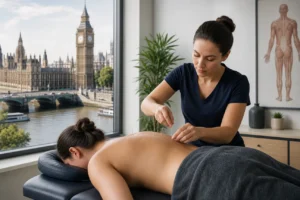
Laurens Holve Healthcare is an osteopathy practice with locations in North London and Woking. Its services include osteopathy, acupuncture and naturopathy. Which options, if any, suit a person with neck pain depends on an individual assessment. No treatment can be promised to work for everyone, and medical advice remains important when symptoms call for it.
If you’re considering osteopathy, information about osteopathic care in North London gives context on the practice’s approach to musculoskeletal concerns. You can ask a clinician how an assessment would apply to your symptoms before deciding whether to proceed.
A clinician may advise you to keep moving within a comfortable range or suggest that you see your GP. They should explain when to stop a technique and what changes would need further medical review. You can ask about likely benefits, possible risks and other choices before agreeing to care.

Seek medical care rather than relying on a manual treatment if you have severe or sudden symptoms, a serious injury or new neurological changes. A hands-on appointment should never delay urgent assessment.
Step 6: Build a Manageable Routine and Monitor Changes
A routine should fit your day. Pick one or two gentle movements and a posture break you can repeat without making symptoms worse. You might move your neck after a long screen task, then take a short walk at lunch. Small, steady changes are easier to judge than a long exercise session done once.
Start with a comfortable amount. If you try the movements in Step 3, you could begin with a few repetitions and build only if symptoms remain settled. Exercise may take time to feel easier. If discomfort doesn’t return to its usual level soon after a session, reduce the range or repetitions, or pause and seek advice.
Keep a brief record once a day. Note your pain level in plain words, what activity you managed and whether you noticed new symptoms. Look for a general trend rather than judging every hour. If pain is getting worse, keeps disrupting sleep or limits daily tasks, contact a GP or another suitable health professional.
Keep doing ordinary activities as you can, but break up tasks that make your neck feel worse. If work is difficult, consider whether a temporary change in tasks or screen setup would help you stay comfortable. If you use pain relief medicine, ask a pharmacist or GP what is appropriate for you, especially if you have other health conditions or take other medicines.
Stress, poor sleep or feeling low can affect how manageable pain feels. These factors don’t mean the pain is imaginary. Give yourself time to rest, keep a gentle level of activity and speak with someone you trust if you’re struggling.
There isn’t a single timeline that suits everyone. If your symptoms don’t improve, worsen despite a lighter routine or come with new warning signs, seek professional advice rather than pushing through.
Frequently Asked Questions
How long does pain at the back of the neck usually last?
Neck pain often begins to settle over a few weeks, but the timing varies. Keep track of whether you’re gradually moving more comfortably. See a GP if it doesn’t go away, keeps returning or affects everyday tasks. Seek prompt care sooner if pain is severe, follows a serious injury or comes with new weakness, numbness or balance problems.
Should I stretch a sore neck?
Gentle movement may be suitable if it stays within a comfortable range. Start small and stop if pain sharply increases, spreads into an arm or causes dizziness. If you’ve had neck surgery or a diagnosed neck condition, follow your clinician’s advice first. A stretch should feel controlled, not forced.
Is heat or ice better for neck pain?
Either may help some people, so try one at a time and notice how you feel. Wrap the pack in a towel and never place it directly on your skin. Stop if you see redness, a colour change or blistering. Ask a health professional if you have reduced feeling or aren’t sure which option is suitable.
When should I see a doctor about neck pain?
See a GP if pain persists, gets worse or stops you doing normal activities. Seek urgent medical help for severe or sudden symptoms, pain after a serious injury, or new weakness, numbness or problems with balance. If you feel seriously unwell, use emergency care. Don’t wait for a self-care routine to work when warning signs are present.
Conclusion
Start with a symptom check, then try comfortable movement and one small change to your daily routine. Stop if symptoms worsen, and seek medical advice when pain persists or warning signs appear. If you’d like to discuss whether an assessment may suit you, Laurens Holve Healthcare provides osteopathy in North London and Woking; you can ask about your options without assuming that any one treatment is right for everyone.